Your home can have a working heating and cooling system and still feel uncomfortable if air keeps slipping in and out where it should not. Small gaps around the house can make rooms feel drafty, throw off indoor temperatures, and push your utility bills higher than they need to be. At Complete Home Solutions, we help homeowners in Maryland look at the whole house rather than blaming every comfort problem on the HVAC system alone. When air sealing services become part of the conversation, the reasons behind uneven comfort often start to make more sense.
Why Small Leaks Can Cause Big Comfort Problems
Air leaks change the way your home holds heated or cooled air. When outside air slips in through gaps and cracks, your home has a harder time staying steady from room to room. You might notice that one bedroom feels chilly in the morning while the living room feels fine, or one side of the house warms up too fast in the afternoon. Those comfort swings often come from air moving where it should not. The HVAC system then has to run longer to make up for that loss, which can leave the house with inconsistent temperatures even when the equipment is doing its job.
This is part of why some homes never seem to settle. The thermostat reaches the number you set, but parts of the house still feel off. The issue is not always the equipment itself. Sometimes the house is losing conditioned air too quickly to hold a stable indoor feel. In many cases, home air sealing is one of the clearest ways to reduce hidden air leakage and make the space feel more consistent.
Where Air Leaks Commonly Show Up
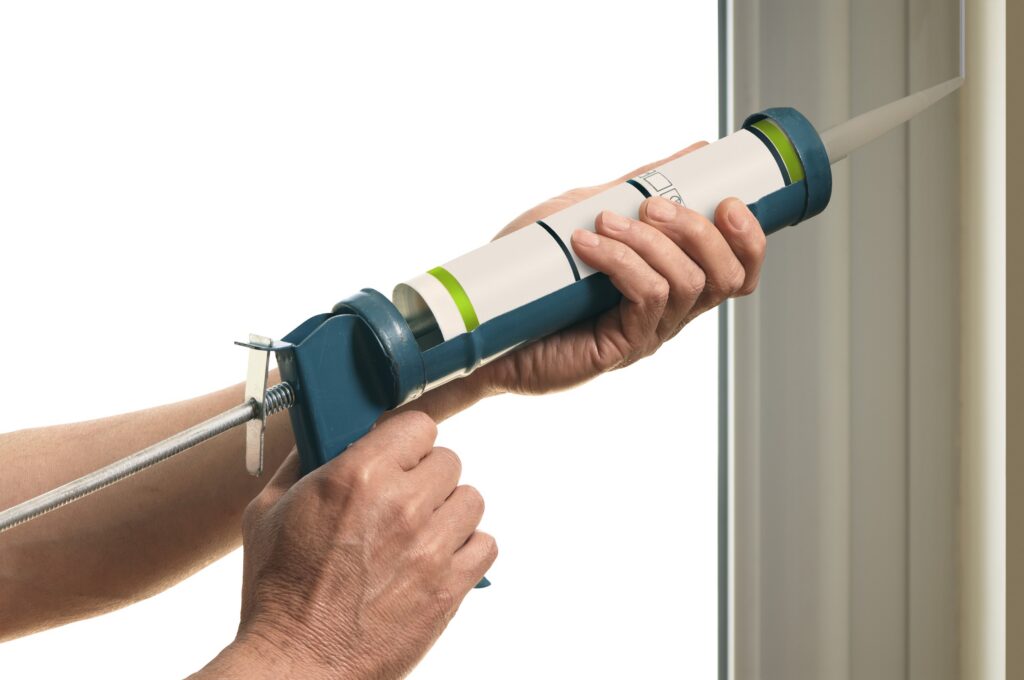
Air leaks tend to collect around the same trouble spots. Attic hatches, recessed lights, plumbing penetrations, wiring openings, window frames, door frames, and gaps around baseboards are all common examples. In older homes, these openings may be more noticeable, though newer homes can have them, too. You may not see them right away, but you often feel the results. Drafts near windows, rooms that never feel quite right, and sudden temperature changes between floors can all point to air leakage.
The attic is one of the biggest areas to watch because warm and cool air naturally move through the house. When attic gaps stay open, the house can pull outside air in from one area while losing conditioned air through another. That movement affects comfort in ways that feel random until someone looks at the full pattern. One annoying draft may be part of a larger issue affecting the entire home. In some houses, duct sealing also matters because leaking ducts can push conditioned air into unconditioned spaces before it ever reaches the rooms where you need it.
How Air Sealing Helps Insulation Work Better
Insulation and air sealing work best together. Insulation slows heat transfer, but it does not stop moving air on its own. If a house has insulation in place but still has gaps around penetrations, framing joints, or access points, the insulation cannot do its full job. Air can still slip around it, weakening the effect you are paying for. That is why a home with decent insulation can still feel drafty or uneven.
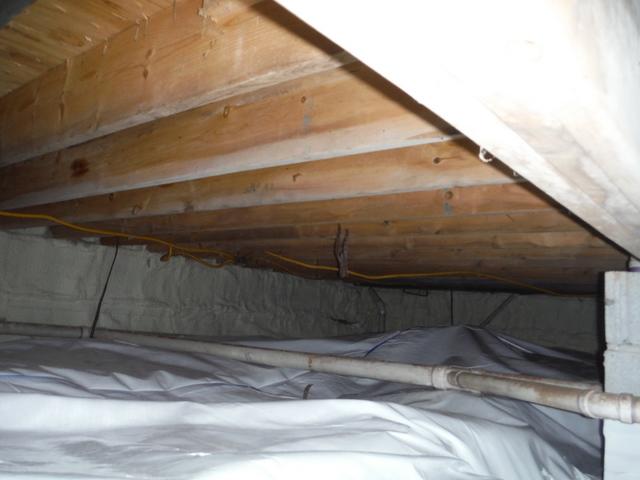
Air sealing helps close those pathways so that the attic insulation, crawl space insulation, and insulation in other areas have a fair chance to perform well. Once you reduce unwanted air movement, the house can stabilize indoor conditions more steadily. In practical terms, that can mean fewer hot and cold spots, less strain on the heating and cooling system, and a house that feels more settled throughout the day.
Start With a Home Energy Audit
If your home feels drafty, uneven, or harder to heat and cool than it should, air leakage may be part of the reason. A home energy audit can help uncover where air is escaping, how that is affecting comfort, and which improvements are worth making first. Complete Home Solutions, serving Maryland and Washington, DC, provides home energy audits and performance upgrades to help homeowners get a clearer picture of how their homes work as a whole.
Schedule a home energy audit with our team at Complete Home Solutions to identify air leaks. Start making your home feel more comfortable and cost less to run.